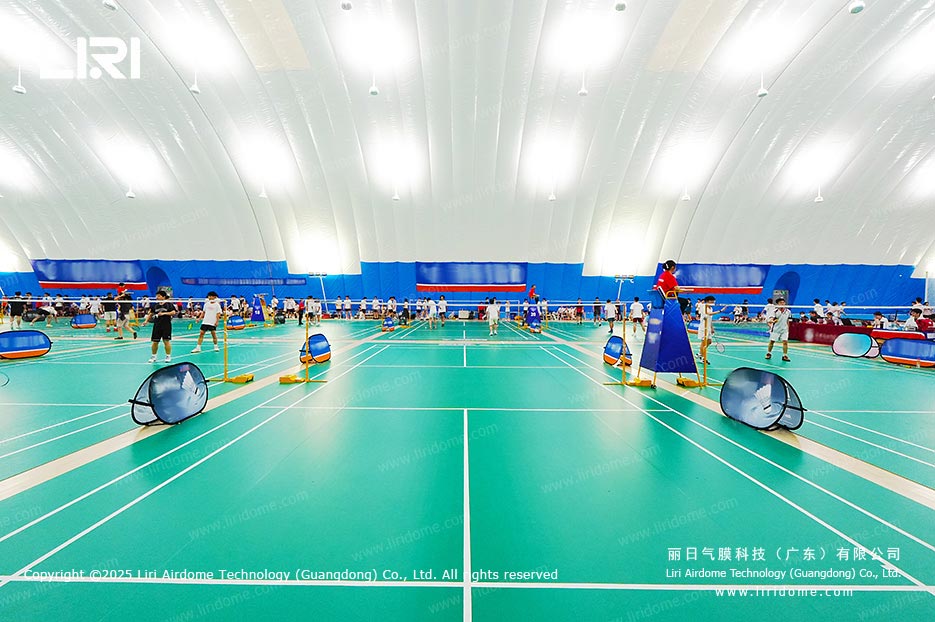
With the widespread adoption of synthetic sports fields, many facility owners are considering a key question: Can an Air dome be built over an existing synthetic sports field? And can the original synthetic surface be retained inside the dome?
The answer is yes. An air dome can be constructed directly over the existing synthetic field, upgrading the open-air sports area into all-weather indoor facilities. This not only reduces the impact of adverse weather conditions—such as rain, snow, intense sunlight, and strong winds—but also helps slow the aging of the synthetic surface and increases the facility's utilization rate.
Efficient Construction
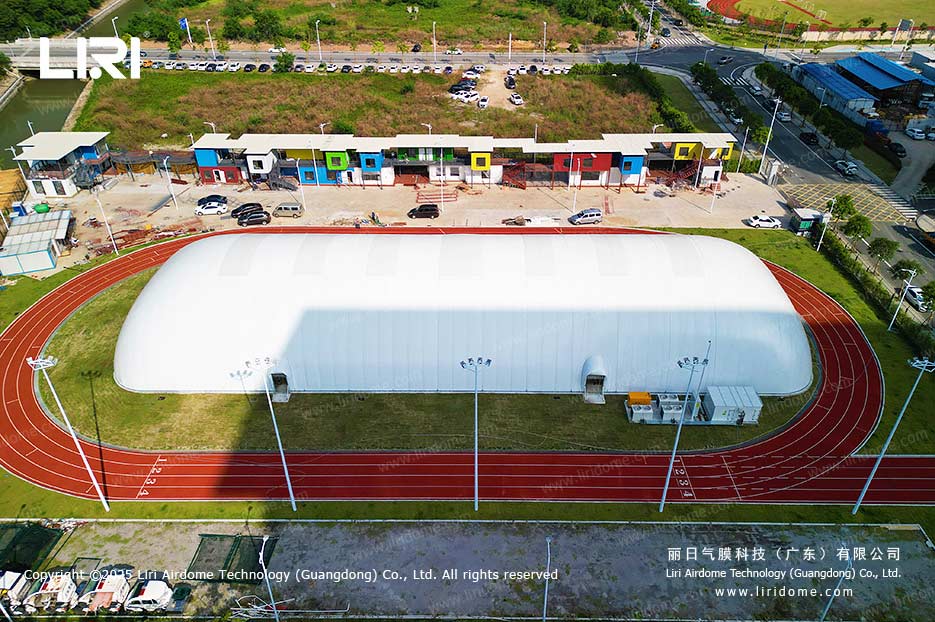
Constructing an air dome over an existing synthetic sports field generally does not require the large-scale removal of the original surfacing. The installation adopts a perimeter anchoring method, tailored to the specific site conditions.
Before construction, a professional team surveys the site to assess surface evenness, foundation load-bearing capacity, the drainage system, and the surrounding space. Anchor points are typically positioned along the perimeter of the sports field, near drainage channels, or at the edge of the running track; this placement minimizes impact on the existing synthetic surface by avoiding primary athletic areas.
The main body of the air dome is formed through an integral tensioning process, resulting in a short on-site construction period. Upon completion, the existing running tracks, sports courts, or synthetic athletic surfaces can be retained for continued use—eliminating the need for complete removal and reconstruction—thereby reducing foundation renovation costs.
Shields against wind and rain, extending service life
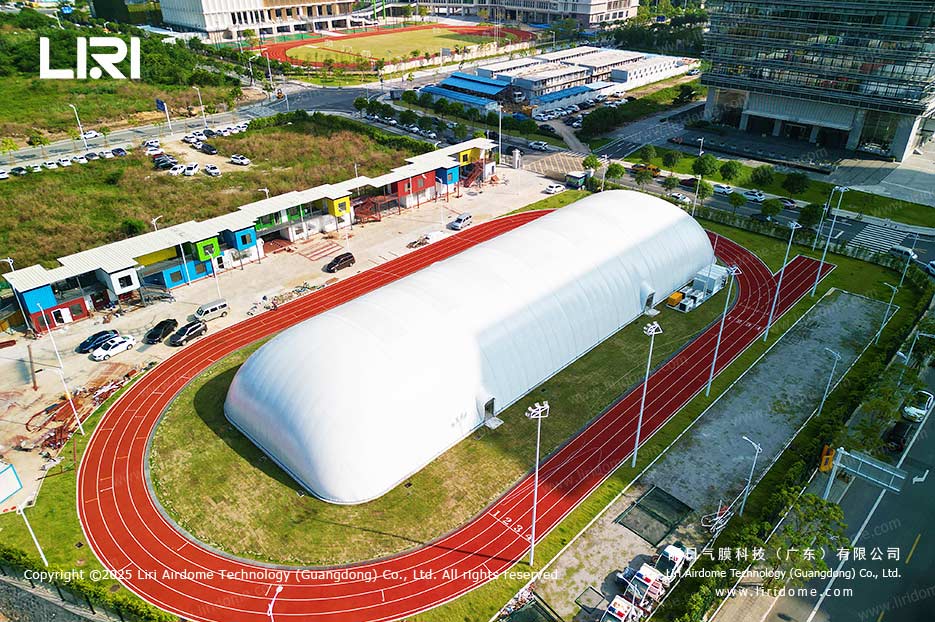
Outdoor synthetic sports fields are constantly exposed to the elements—such as sunlight, heavy rain, frost, UV radiation, and windblown sand—making them susceptible over time to issues like fading, cracking, blistering, or delamination.
Once constructed, the air dome provides an enclosed shelter for the synthetic surface, reducing direct erosion caused by the external environment. The facility can also be equipped with fresh air, temperature control, and dehumidification systems to maintain relatively stable conditions, thereby minimizing the impact of factors such as high heat and humidity on the synthetic surface.
At the same time, an enclosed environment reduces the need for cleaning and maintenance caused by factors such as fallen leaves, dirt and sand, acid rain, and hail, thereby keeping the synthetic sports surface in better condition.
All-weather sports and multi-functional use
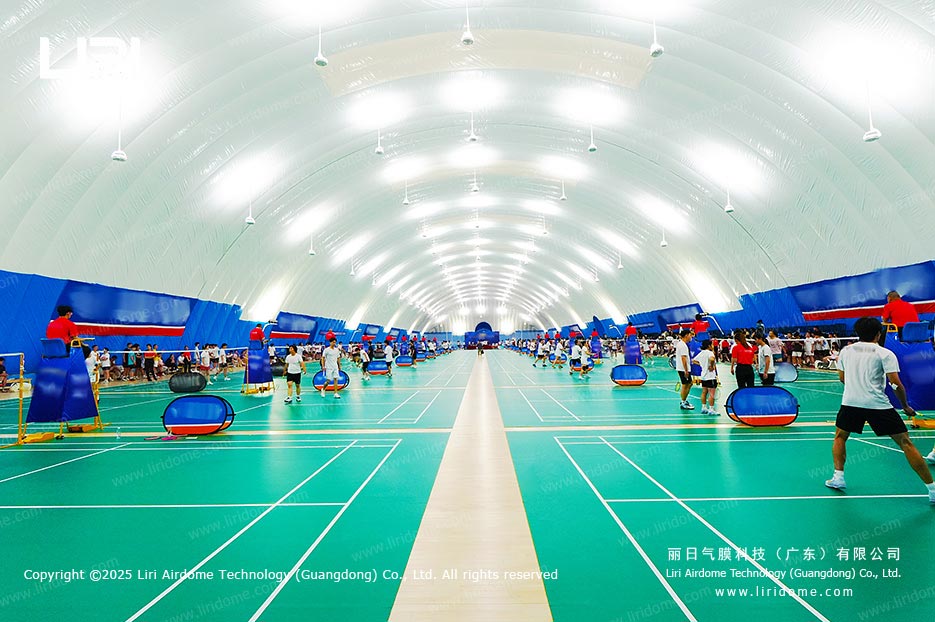
With the addition of an air dome structure, the existing synthetic sports field is upgraded from an open-air facility to an all-weather sports space. Normal use is no longer easily disrupted by adverse weather conditions such as water accumulation during rain, dust kicked up by strong winds, scorching sun, or cold temperatures.
The facility allows for seasonal adjustments in ventilation, cooling, thermal insulation, and dehumidification, providing a more stable environment for activities such as football, basketball, tennis, badminton, track and field training, and physical conditioning.
In addition, the air dome can be equipped with facilities such as lighting, spectator stands, changing rooms, rest areas, and smart control systems to meet various needs—including daily training, competitions, fitness and leisure activities, and commercial operations—thereby enabling multi-purpose use and enhancing the overall utilization rate of the existing synthetic sports field.